Permit guide for event flowers Harrow venues and markets
Posted on 19/10/2026
If you are arranging flowers for a wedding, pop-up stall, community event, or market display in Harrow, the permit side can be the bit that quietly causes the most stress. The blooms are the lovely part; the permissions, loading access, trading rules, and venue conditions are the bit people often discover at the last minute. This guide on Permit guide for event flowers Harrow venues and markets keeps things practical, local, and human. You will get a clear view of what permissions may be needed, why they matter, how to plan without overcomplicating it, and where floral orders can fit neatly into the process.
Truth be told, most flower plans go smoothly when you think one step ahead. A few venue questions asked early can save a lot of faffing about on event day. And if you are balancing a bouquet drop-off, a market pitch, or a full wedding install, that little bit of planning really does make the difference.
Why Permit guide for event flowers Harrow venues and markets Matters
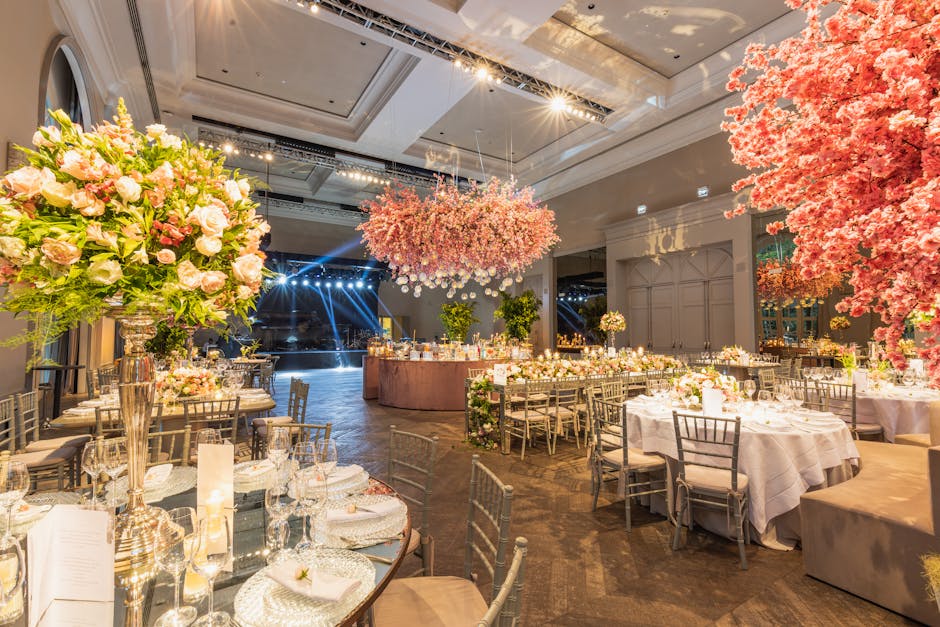
Flowers seem simple on the surface. But once they move into public spaces, venues, or market settings, they can become part of a much bigger operational picture. A venue may need proof of insurance, approval for setup times, or restrictions on where you can place stands and arrangements. A market operator may require a trading pitch agreement, stall booking, or specific display rules. Some venues are relaxed about floral styling; others are more structured because of fire exits, footfall, or conservation concerns. Harrow is no different there.
The real issue is not that permits are hard in themselves. It is that small details matter. Can you bring in buckets of stems through the front entrance? Is there a service lift? Can flowers be placed near candles or food counters? Will your market display block access for customers or emergency routes? If the answer to any of those is unclear, you can see how a nice floral plan becomes a logistical muddle very quickly.
This matters even more for events with multiple suppliers. In our experience, florists, venue teams, caterers, stylists, and organisers often each assume someone else has checked the basics. Then Friday evening arrives, crates are in a van outside, and everyone is looking at the same doorway. Not ideal.
Key takeaway: permits and permissions are not just paperwork. They shape what is possible, what is safe, and what will actually work on the day.
How Permit guide for event flowers Harrow venues and markets Works
There is no single universal permit for flowers. Instead, the process usually depends on where the flowers are going and how they will be used. A venue, market, shopping parade, public square, private function room, or temporary pop-up each brings different expectations. The process is usually a mix of three things: permission from the venue or site operator, any market or trading approval, and practical event logistics.
For private venues, the main conversation is often about access, timing, and layout. For markets and public-facing spaces, it can include stall permissions, pitch allocation, stall dimensions, display limitations, and whether floristry is treated as retail, trading, or event dressing. If flowers are part of a larger event, they may also need to fit around health and safety arrangements, waste disposal, and crowd movement.
Here is the simple version:
- Venue permission covers what you are allowed to bring in, where you can set up, and when.
- Market or site permission covers whether you can trade, display, or operate from that location.
- Operational approval covers practical matters such as delivery windows, loading bays, vehicle access, and cleanup.
That sounds tidy, but in real life these layers overlap. A florist may be ready to deliver, while the venue only allows access through a side entrance during a narrow slot. Or a market may approve a stall but limit the height of structures for visibility and safety. So the best approach is to ask specific questions early rather than keeping it general.
And yes, that includes the boring questions. Especially the boring ones. They tend to save the day.
Key Benefits and Practical Advantages
Getting permissions sorted early brings benefits that go well beyond avoiding trouble. It helps the floral design itself. Once you know how much space you really have, how long setup takes, and whether there are restrictions on wet containers or freestanding displays, you can choose arrangements that suit the site rather than fighting it.
Some of the biggest practical advantages include:
- Less last-minute stress because deliveries and installation are planned properly.
- Cleaner presentation since the flowers can be sized to fit the available space.
- Better budget control because you avoid rushed changes, extra labour, or wasted stems.
- Smoother coordination between venue staff, market managers, and your florist.
- Lower risk of disruption from blocked access, rejected setups, or late deliveries.
There is also a creative upside. A florist who understands the permissions landscape can make smarter design choices. For example, if a market stall is tight, a compact display using a few strong focal blooms may work better than a sprawling arrangement. If a venue has a strict setup window, pre-conditioned flowers and efficient mechanics become more important than elaborate on-site construction.
That is why many event planners treat permissions as part of the design brief, not just admin. It keeps the styling realistic. And to be fair, realistic is often what looks best on the day.
Who This Is For and When It Makes Sense
This guide is for anyone arranging flowers in a Harrow venue or market setting where access, display, or trading permissions might come into play. That includes private customers, event planners, wedding couples, community organisers, small traders, and businesses staging branded displays.
You will find it especially useful if you are:
- booking wedding flowers in Harrow for a ceremony or reception venue
- planning flowers for a market stall, pop-up shop, or seasonal market display
- arranging corporate flowers for a launch, open day, or networking event
- coordinating flowers for a memorial, charity event, or community celebration
- working with a venue that has strict access or delivery rules
It also makes sense if you are not sure whether flowers count as part of the event decor or part of trading activity. That line can matter, especially in market environments where stall rules are specific. If flowers are being sold, the permissions may be different from flowers that are only being installed for decoration.
A small but important point: if you are ordering from a local florist such as Florist Harrow HA1 or exploring flower shops in Harrow, it helps to mention the venue type right away. A florist can then shape the order around the site's realities, not just the bouquet style.
Step-by-Step Guidance
Here is the clearest way to handle the permit side without overthinking it.
- Identify the exact location. Is it a private venue, public market, shopping centre, hall, church, hotel, or outdoor site? The rules can change quickly from one to the next.
- Ask who controls permissions. It might be the venue manager, market operator, events team, estate office, or a local authority team. Do not assume it is the same person who handled your booking.
- Confirm what the flowers are doing. Delivery only? Installation? Selling at a market? Decorating tables? Hanging displays? Each use case can trigger different checks.
- Check access and timing. Loading bay use, lift access, parking limits, and setup windows are often more important than people expect.
- Measure the space. A quick measurement of entrances, table sizes, stall dimensions, and ceiling height avoids awkward surprises.
- Ask about restrictions. Some spaces limit water use, open flame, adhesives, free-standing structures, or items that might block visibility.
- Share the plan with your florist early. If you are choosing items like wedding table arrangements or a full weddings collection, the florist can recommend practical formats.
- Build in a backup option. Have a smaller display version, an alternate delivery window, or a simpler installation method in mind.
- Confirm cleanup expectations. Who removes packaging, water, broken stems, and waste? That detail can save a lot of awkwardness after the event.
- Keep written confirmation. Even a short email trail can prevent confusion if a different member of staff is on duty later.
If you are planning a wedding specifically, it often helps to choose flowers that can be transported and installed efficiently. A bouquet like i cherish you bridal bouquet or a coordinated set of bridesmaid bouquets may fit neatly within venue timing and access rules. Small detail, big difference.
Expert Tips for Better Results
One of the most useful things you can do is think like the venue manager for a minute. They are usually focused on flow, safety, and avoiding damage. If your plan makes their life easier, you are already ahead. That might mean using lighter arrangements, choosing sturdy vessels, or scheduling delivery when footfall is lower.
Here are some practical tips that genuinely help:
- Keep a simple site plan. Mark entrances, exits, tables, service areas, and where flower displays will sit.
- Choose flowers that travel well. For example, mixed seasonal stems or structured bouquets often perform better than fragile, highly open blooms if there is a long setup.
- Be realistic about installation time. A design that takes twenty minutes in a workshop may take twice that in a crowded venue corridor. Happens all the time.
- Use the right delivery service. If timing is tight, look at options such as same day flower delivery Harrow HA1 or next day flower delivery Harrow HA1 when the event timeline is compressed.
- Match style to venue tone. A polished corporate foyer, for example, may suit clean lines and whites, while a local community market might look better with bright, friendly colour.
- Always ask about water and waste rules. Some sites are fine with containers; others want dry handling and fast removal.
Another useful habit: ask for one named contact on the day. If the florist, organiser, and venue all know who signs off access, you cut down on the "I thought someone else had it" problem. That phrase should be retired from event work, frankly.
If the flowers are part of a larger gifting package, something like flowers and chocolate or a thoughtful add-on from the any occasion range can be useful for smaller event gestures, welcome tables, or VIP areas.
Common Mistakes to Avoid
Most problems with event flowers and permissions are avoidable. The trouble is, they usually come from small assumptions rather than big errors.
- Assuming the venue booking covers flower setup. It often does not. Delivery and installation can be separate approvals.
- Leaving permissions to the last week. That is when you discover access restrictions, and by then the calendar is doing its own thing.
- Not measuring the site properly. A beautiful arrangement that cannot fit through a doorway is, well, annoying in a very expensive way.
- Forgetting market rules. Market sites can have pitch sizes, trading hours, and display conditions that are easy to miss.
- Choosing an overcomplicated design. If the space is tight, keep mechanics simple and robust.
- Ignoring cleanup obligations. Wet packaging and flower waste left behind can irritate venue teams fast.
- Failing to brief the delivery driver. A good route, contact name, and access note can save ten minutes or more. Sometimes more than that.
A quiet but common mistake is not checking whether floral items are being treated as decor or stock. At a market, that distinction can affect whether you need a stall booking, a vendor registration, or an additional trading permission. It is worth clarifying early.
Tools, Resources and Recommendations
You do not need fancy software to manage flower permissions, though a simple system helps. A spreadsheet, shared note, or event checklist can be enough. The goal is to keep the essentials in one place so nobody has to hunt through message threads five minutes before delivery.
Useful tools and resources include:
- Event contact sheet with names, mobile numbers, access times, and venue notes.
- Measurement notes for entrances, tables, stall widths, and display height.
- Delivery timeline that includes loading, setup, final placement, and collection if needed.
- Photo reference board so everyone can see what style and scale you are aiming for.
- Product selection pages for planning by occasion, colour, or budget.
For practical shopping, it can help to browse by purpose rather than by flower type alone. For instance, if you want something compact and dependable for an event table, consider a bouquet from the best sellers section or a simple arrangement from flower garland style options when appropriate. If you are looking for something more polished, luxury flowers can suit formal venues.
For wedding-led planning, collections such as the Perfect Match Wedding Collection or Royal Essence Wedding Collection can be helpful starting points because they reduce guesswork around style coordination.
Law, Compliance, Standards, and Best Practice
This is the part where it pays to be careful. Rules can vary depending on the site, the nature of the event, and whether flowers are part of private decor or public trading. Rather than assuming one blanket rule for Harrow, it is smarter to treat compliance as a layered set of responsibilities.
In practice, you may need to think about:
- Venue terms and any conditions attached to your booking.
- Trading or market rules if flowers are being sold or displayed for commercial activity.
- Health and safety expectations around access routes, trip hazards, water spills, and electrical equipment nearby.
- Fire safety considerations if flowers are used near candles, exits, drapes, or temporary structures.
- Public liability cover if required by the venue, market, or event organiser.
- Data and booking terms when coordinating with suppliers, since confirmation records matter more than people think.
For best practice, keep everything proportionate. A small indoor bouquet delivery does not need the same process as a full market stall or wedding install. But a little formality is still sensible. Written approval, contact details, and a simple setup note go a long way.
It also helps to use stable floral mechanics and avoid anything likely to damage floors or create residue. Venues appreciate arrangements that look elegant but are not a maintenance headache. So do guests, honestly.
If you are ordering online, read the relevant policy pages too, especially on delivery, terms and conditions, and returns and refund. That keeps expectations aligned before the event starts.
Options, Methods, or Comparison Table
Different event settings call for different levels of planning. A quick comparison can make the choice clearer.
| Scenario | Permission focus | Best floral approach | Main risk if ignored |
|---|---|---|---|
| Private venue event | Access windows, delivery route, setup rules | Tailored arrangements with clear delivery timing | Delayed setup or rejected entrance access |
| Market stall | Pitch booking, trading rules, stall size, display limits | Compact, stable, easy-to-replenish displays | Display not approved or obstructing customer flow |
| Wedding venue | Supplier loading, ceremony timing, decor restrictions | Coordinated collections and efficient installation | Timing clashes with ceremony or reception schedule |
| Corporate or community event | Branding approval, access, safety, cleanup | Polished, low-maintenance arrangements | Damage, spill issues, or awkward repositioning |
This table is not about making one option better than another. It is about matching the floral plan to the real conditions on site. That is the bit that tends to separate a decent event from a smoothly run one.
Case Study or Real-World Example
Imagine a small Harrow community event hosted in a mixed-use venue with a weekend market running nearby. The organiser wants flowers at the entrance, table decor inside, and a small branded display at a side stall. Simple enough, until access details start to matter.
The venue allows deliveries only through a rear service entrance between 8:00 and 9:00 in the morning. The market operator requires stall holders to keep displays within their pitch boundary. Meanwhile, the hall has a rule against water on the main floor after setup because of slip risk.
What works best here? A florist would likely split the plan into smaller, moveable arrangements rather than one large installation. The entrance flowers might go in sturdy containers, the table pieces might be low and self-contained, and the branded display might use lighter blooms with quick setup. The organiser confirms the access slot in writing, the florist labels each box, and the whole thing lands before footfall picks up.
It is not glamorous. But it works. And in event floristry, that is usually the goal: beautiful enough to feel special, practical enough to survive the day.
There was probably a moment where someone muttered, "Could we just put that over there?" and the answer was no, not really. That is normal. A clear plan saves everyone from improvising under pressure.
Practical Checklist
Use this checklist before finalising flowers for a Harrow venue or market setting.
- Have I confirmed the exact venue, market, or site name?
- Do I know who gives permission for delivery, installation, or trading?
- Have I checked the setup time and collection time?
- Do I know the loading access route and parking or unloading rules?
- Have I measured entrances, stairs, lifts, tables, and stall space?
- Do I know whether water, adhesives, stands, or freestanding pieces are allowed?
- Have I asked about fire exits, customer flow, and any height restrictions?
- Have I shared the event plan with the florist early enough?
- Is there a backup option if access changes on the day?
- Do I have written confirmation of the key permissions?
- Have I checked delivery and policy details from the supplier?
- Do I know who clears waste and packaging after the event?
For flower-only orders that need a straightforward local solution, it can be worth looking at flower delivery Harrow HA1 or a broader option like send flowers Harrow HA1 when the setup is simple and timing matters more than complexity.
Conclusion
Permits and permissions might not be the glamorous side of event flowers, but they are what make the beautiful part possible. Whether you are styling a wedding, setting up a market display, or arranging flowers for a community event in Harrow, the smartest move is to treat access, permissions, and venue rules as part of the floral plan from day one. That way, the flowers arrive in the right place, at the right time, looking the way they should.
Keep it simple, ask the practical questions early, and choose floral designs that suit the site rather than fighting it. That is usually the winning formula. Not perfect, maybe. But very solid.
If you want a local florist who understands the realities of delivery timing, venue access, and event setup, start with the collections and delivery options that match your plan.
Get a free quote today and see how much you can save.
And if you are still shaping the brief, that is fine too. A calm, well-planned flower order has a way of making the whole event breathe easier.
Frequently Asked Questions
Do I need a permit for event flowers in Harrow venues and markets?
Not always in the same way, but you usually need some form of permission. Private venues may only require approval for delivery and setup, while markets may require trading or pitch permission. The exact requirement depends on the site and how the flowers are being used.
Are flowers treated differently if they are being sold at a market?
Yes, they often are. Selling flowers can fall under market trading rules, stall booking conditions, or vendor permissions. Decorative flowers for an event are usually handled differently from flowers being offered as stock for sale.
What should I ask the venue before booking floral delivery?
Ask about access times, delivery entrances, loading restrictions, setup windows, cleanup expectations, and any limitations on water, stands, or display height. Those five minutes of questions can save a lot of running around later.
Can a florist handle the permit side for me?
A florist can often help with practical planning, timing, and delivery advice, but the venue or market operator usually controls the actual permissions. It is best to share venue details early so the florist can plan around them.
How far in advance should I sort permissions?
As early as possible. For simpler deliveries, a short lead time may be enough, but for weddings, market stalls, or larger events, it is much safer to sort the permissions first and then finalise the flowers.
What happens if the venue refuses the flower setup I had planned?
You may need to simplify the design, change the placement, or switch to a different installation method. This is why having a backup option is useful. It can be as simple as moving from large freestanding pieces to smaller tabletop arrangements.
Do I need insurance for event flower work?
Some venues or market operators may require proof of public liability insurance, especially if flowers are being installed or sold. Requirements vary, so it is worth checking the booking conditions before the event.
What flowers work best for tight venue access?
Compact arrangements, sturdy bouquets, and designs that travel well are usually the safest choice. If access is narrow or setup time is short, simple and well-structured designs are often more reliable than elaborate displays.
Are same-day or next-day flower deliveries suitable for events?
They can be, if the event is straightforward and the venue rules are clear. For more complex installs, same-day or next-day delivery may work only if the florist knows the site well and the setup is not too demanding.
What is the biggest mistake people make with event flower permits?
The biggest mistake is assuming the venue booking automatically covers everything. It often does not. Delivery access, trading permission, setup timing, and cleanup can all be separate questions.
How do I keep flower displays safe in a public market area?
Use stable containers, keep arrangements within the pitch boundary, avoid trip hazards, and make sure nothing blocks customer movement. Public settings are busy, so the display needs to look good and stay out of the way.
Where can I find a simple local flower option for an event in Harrow?
Start with local delivery, best-seller ranges, or occasion-based collections that fit your timing and venue needs. If the event is straightforward, a well-chosen ready-made design is often the least stressful route.


